
September 7, 2026
Hurricane Flooded My Car: A South Florida Recovery Guide
A hurricane can turn your vehicle into a waterlogged nightmare in a matter of hours. If your car was flooded by a hurricane in Broward, Miami-Dade, or Palm Beach County, this step-by-step recovery guide will help you act fast, minimize damage, and make smart decisions before it's too late.
When the Storm Passes and the Damage Sets In
South Florida residents know the drill — hurricane season runs June through November, and every year brings the very real possibility of heavy flooding. What many drivers don't realize is just how quickly floodwater can destroy a vehicle. Within 24 to 48 hours of a car being flooded by a hurricane, mold begins to grow, electrical systems start corroding, and what might have been a recoverable situation can turn into a total loss.
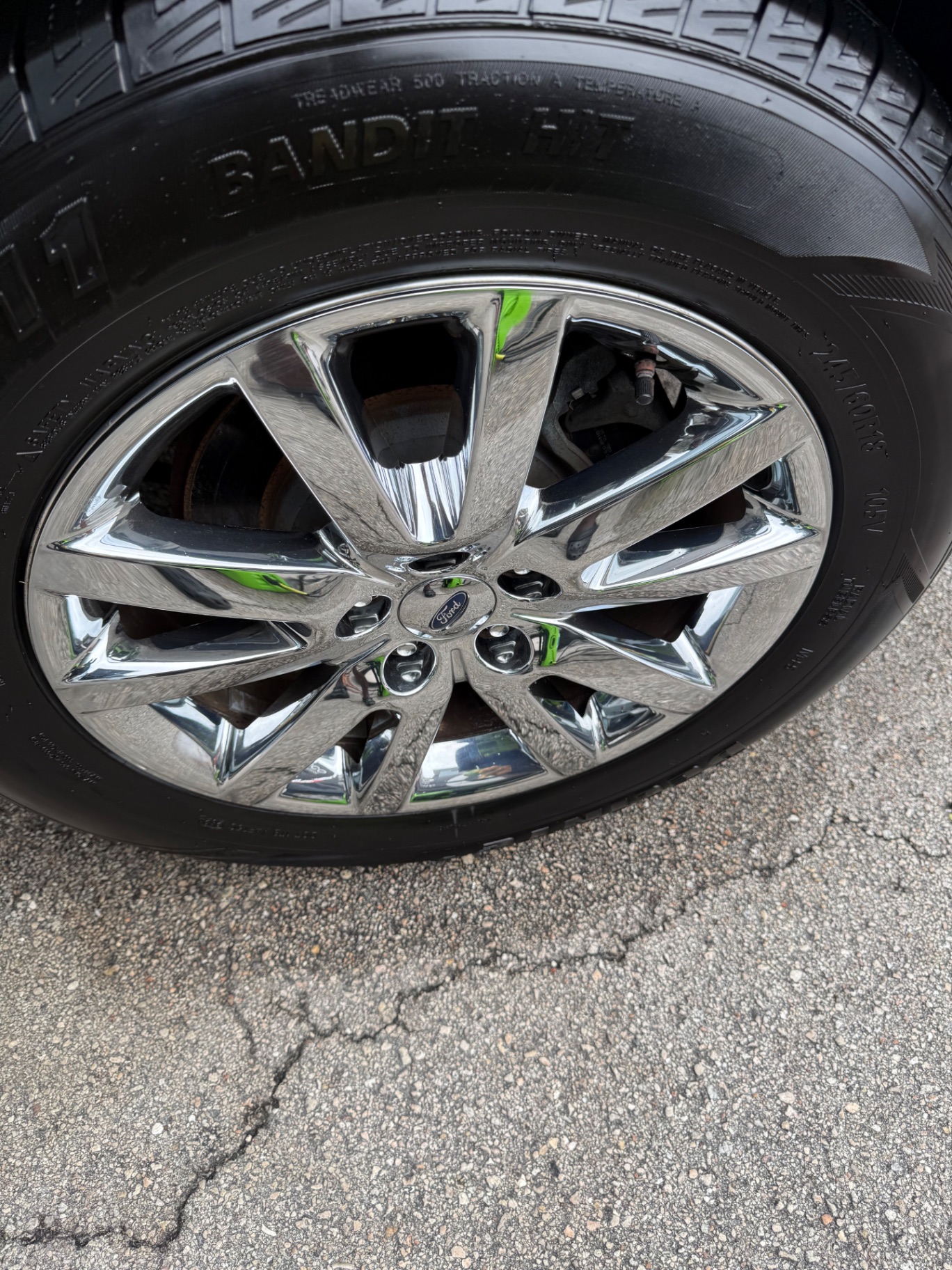
Before
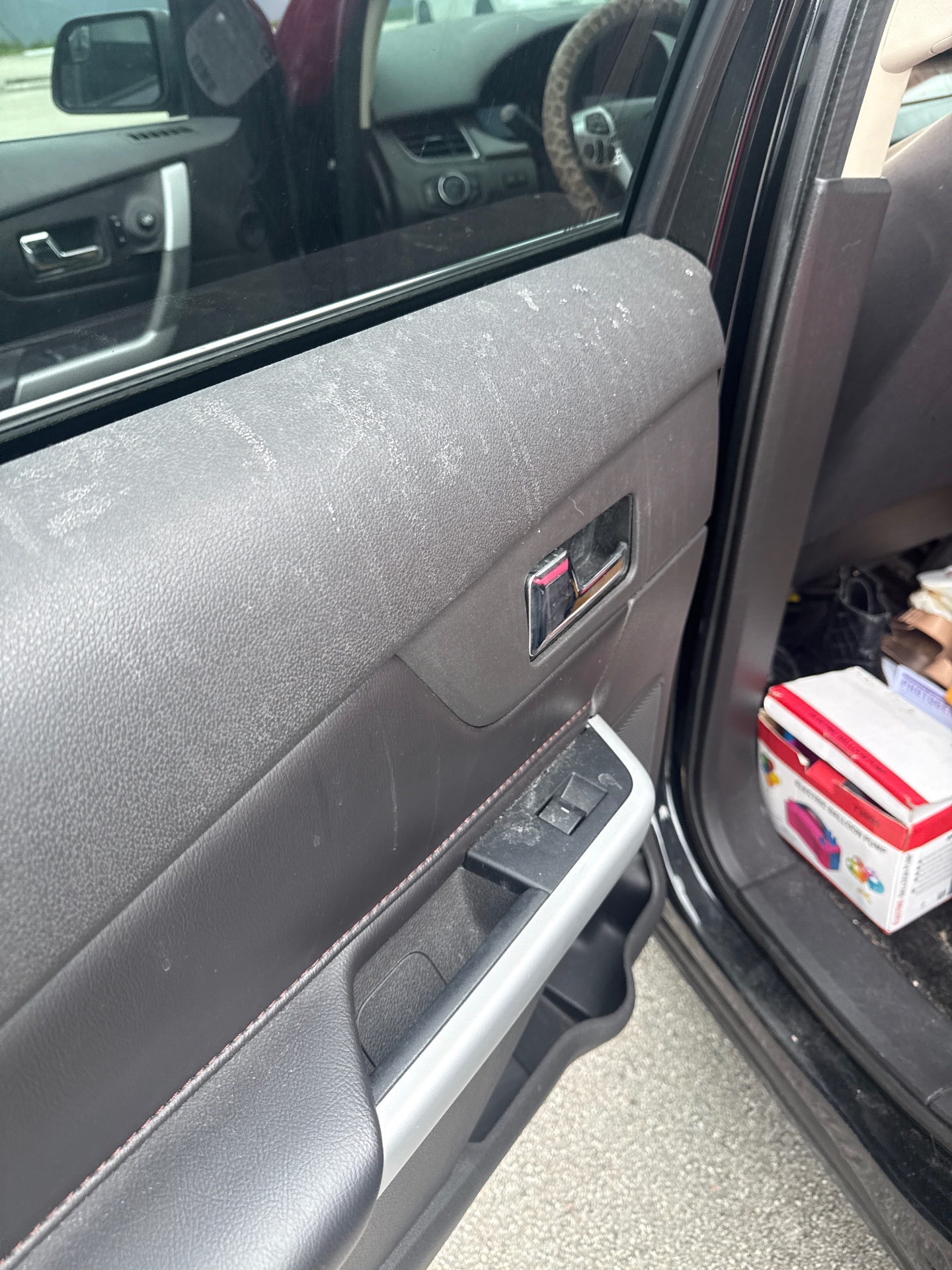
After
If you're staring at a waterlogged car right now, take a breath. This guide is here to help you move through the next steps clearly and confidently.
Step 1: Do NOT Try to Start the Vehicle
This is the most critical rule after flood damage — do not attempt to start your car. If water has entered the engine, turning the key can cause what's known as a hydrostatic lock, where water trapped in the cylinders causes catastrophic internal engine failure. Even if the water line appears low, moisture may have reached sensors, the alternator, or the fuse box.
Leave the car off and keep it that way until a professional has assessed it.
Step 2: Document Everything Before You Touch Anything
Before you open a door or move a floor mat, take photos and video of:
- The exterior waterline mark on the doors and windows
- The interior — seats, carpets, dashboard, and trunk
- Any visible debris, mud, or standing water inside the cabin
- Under the hood if it's safe to open
This documentation is essential for your insurance claim. In the aftermath of a major hurricane in Broward, Miami-Dade, or Palm Beach County, insurance adjusters are overwhelmed with claims — the more thorough your evidence, the smoother the process.
Step 3: Contact Your Insurance Company
Flood damage to a vehicle is typically covered under comprehensive auto insurance, not collision. Call your insurer as soon as it's safe to do so and open a claim. Ask specifically about:
- Whether the vehicle will be inspected before repairs begin
- If they have a preferred vendor list or if you can choose your own service provider
- Your deductible and what the total loss threshold is
Keep a record of every conversation, including the date, time, and the name of the representative you spoke with.
Step 4: Air Out the Vehicle (Carefully)
Once it's safe to be outside and the floodwater has receded, carefully open all the doors and windows to begin ventilating the interior. If the sun is out — and in South Florida, it usually is — use it to your advantage. Remove floor mats and place them in direct sunlight to dry.
Do not use household fans or extension cords near a wet vehicle. If you have a wet/dry shop vacuum, you can begin extracting standing water from carpets and seats, but understand this is only the surface level of the problem. Water hides in door panels, under seats, inside the dashboard, and beneath the carpet padding where mold thrives.
Step 5: Watch for These Warning Signs
Even after a vehicle appears dry, hurricane flood damage reveals itself in subtle and not-so-subtle ways. Watch for:
- Musty or sour odor — a telltale sign of mold and mildew growth
- Foggy windows that don't clear normally, indicating moisture trapped in the cabin
- Electrical gremlins — flickering lights, malfunctioning windows, or a dashboard that behaves erratically
- Rust stains appearing on metal components inside the vehicle
- Visible mold on seats, headliners, or carpet seams
If you notice any of these signs, professional intervention is no longer optional — it's urgent.
Why South Florida Flood Damage Is Especially Severe
Florida floodwater isn't just water. It's a mixture of stormwater runoff, seawater intrusion (especially in coastal areas of Miami-Dade and Broward), raw sewage overflow, lawn chemicals, and road debris. This contaminated water is corrosive and biologically hazardous. Standard drying methods simply aren't enough to make a flood-damaged vehicle safe or odor-free.
The subtropical heat and humidity that define South Florida living also accelerate mold growth dramatically. What takes days in a northern climate can happen in hours here. That's why fast, professional treatment is so important.
Professional Flood Damage Treatment: What It Actually Involves
A proper flood damage recovery is far more involved than a standard interior detail. At Eco Car Care, our car flood damage repair service is designed specifically for the conditions South Florida storms create. The process includes:
- Complete interior extraction — removal of seats and carpet where necessary to access the subfloor
- High-powered drying equipment to eliminate moisture from every layer of the interior
- Antimicrobial and deodorizing treatment to kill mold spores and neutralize contamination
- Ozone treatment for deep odor elimination that surface sprays can never reach
- Inspection of door panels, trunk liners, and under-dash areas where water collects unseen
This isn't a job for a standard car wash or a DIY weekend project. The goal is not just a car that looks clean — it's a car that is genuinely safe to be inside and free of hidden mold.
What About Vehicles That Sat in Water for Days?
After major hurricanes like Ian, Irma, or Dorian, many South Florida residents were displaced and couldn't access their vehicles for days or even weeks. If your car sat in floodwater for an extended period, the likelihood of mold colonization, electrical failure, and structural corrosion is significantly higher.
In these cases, a professional assessment is the first step — not a repair. You need an honest evaluation of whether the vehicle is worth treating versus being declared a total loss. A reputable detailing and restoration company will give you that honest answer rather than simply taking your money.
Protecting Your Vehicle Before the Next Storm
Once you've recovered from one flood event, it's natural to think ahead. A few habits can reduce your risk the next time a hurricane threatens South Florida:
- Know the flood zone designation for your home and workplace parking areas
- Move your vehicle to a parking garage or higher elevation before a storm makes landfall
- Keep comprehensive insurance on all your vehicles year-round, not just during peak hurricane season
- Store important documents digitally so you can access your insurance information from anywhere after a storm
You Don't Have to Figure This Out Alone
Dealing with the aftermath of a hurricane is stressful enough without navigating vehicle recovery on your own. Eco Car Care serves Broward, Miami-Dade, and Palm Beach County with mobile detailing services that come directly to you — because after a major storm, the last thing you need is to figure out how to transport a damaged vehicle across town.
If your car was flooded by a hurricane, time is genuinely your biggest enemy. Every hour increases the risk of permanent mold damage and deeper corrosion. Reach out to our team at (954) 944-2906 or visit ecocarcarefl.com to learn more about how we can help you recover.
Ready for a Professional Detail?
Book your mobile detail online. We come to you anywhere in South Florida.
Book Mobile Detailing